


This exhibition tells the story of America through liberty, leadership, and landscape—themes that resonate deeply with Poland’s own proud history. I am honored to share these works, curated through the State Department’s Office of Art in Embassies, with the people of Poland. They reflect enduring aspects of the American experience: the ideals that have shaped our nation, the courage of those who fought for freedom, and the majesty of our landscapes.
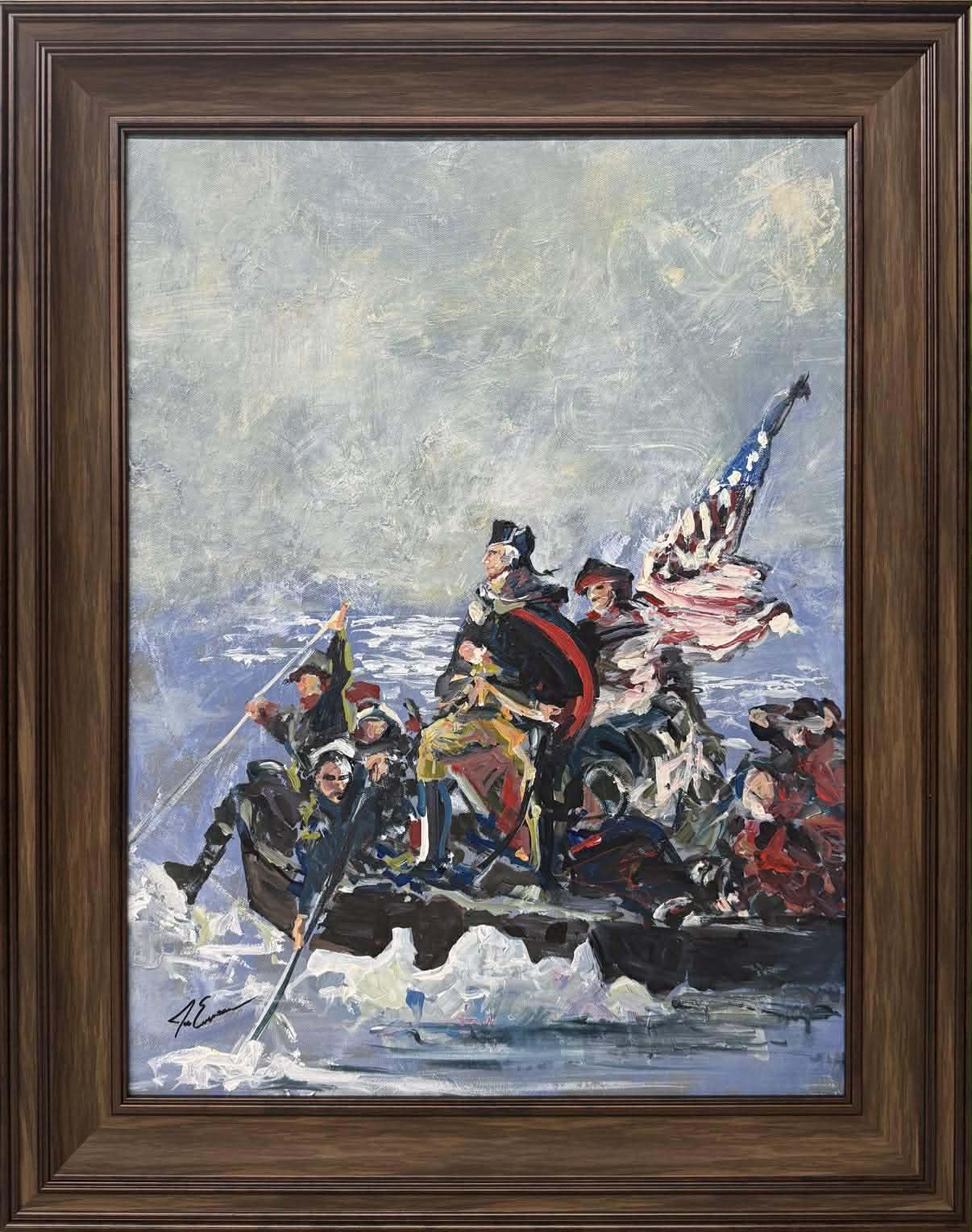
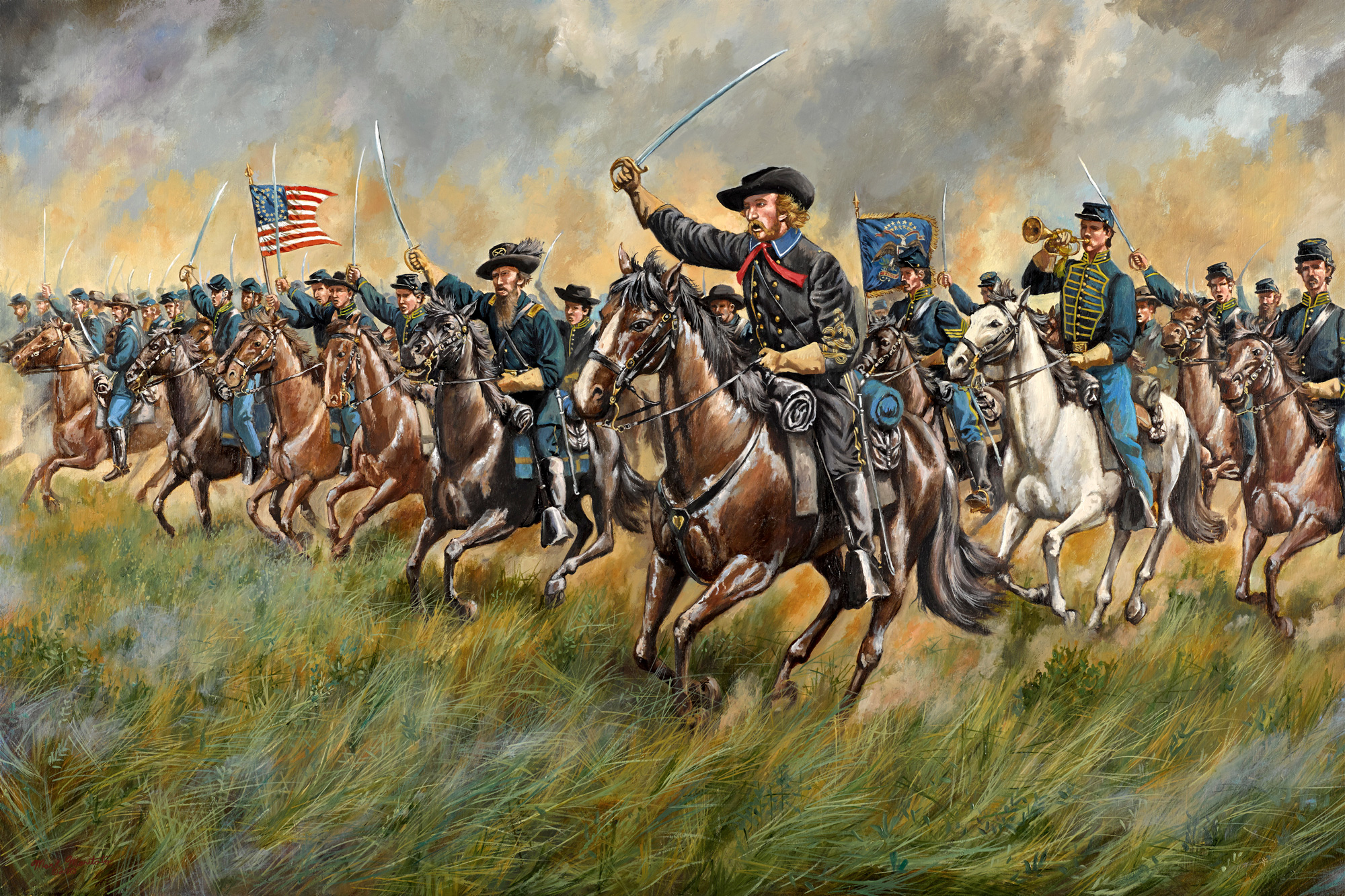
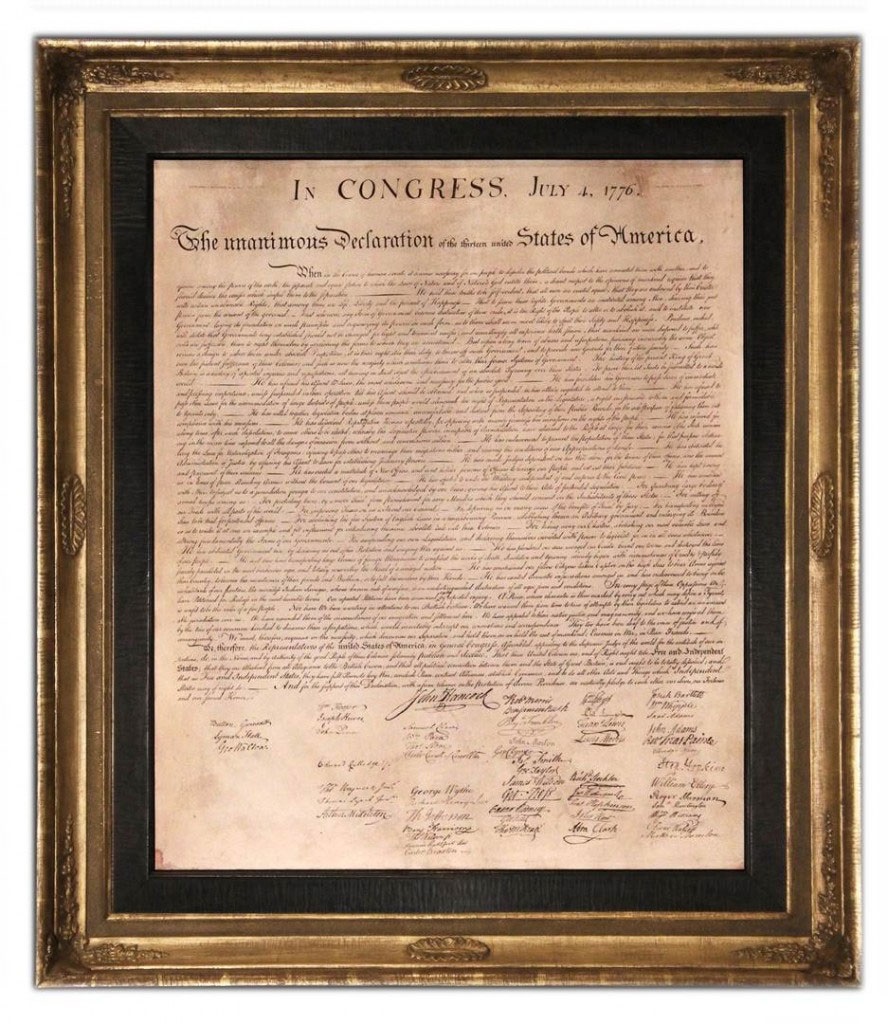
Joe Everson’s Washington Crossing the Delaware and Mark Maritato’s The Wolverines capture moments of determination and sacrifice in defense of liberty. William J. Stone’s Replica of the Declaration of Independence stands as a testament to revolutionary ideals of self-governance that have inspired free peoples across generations and continents.
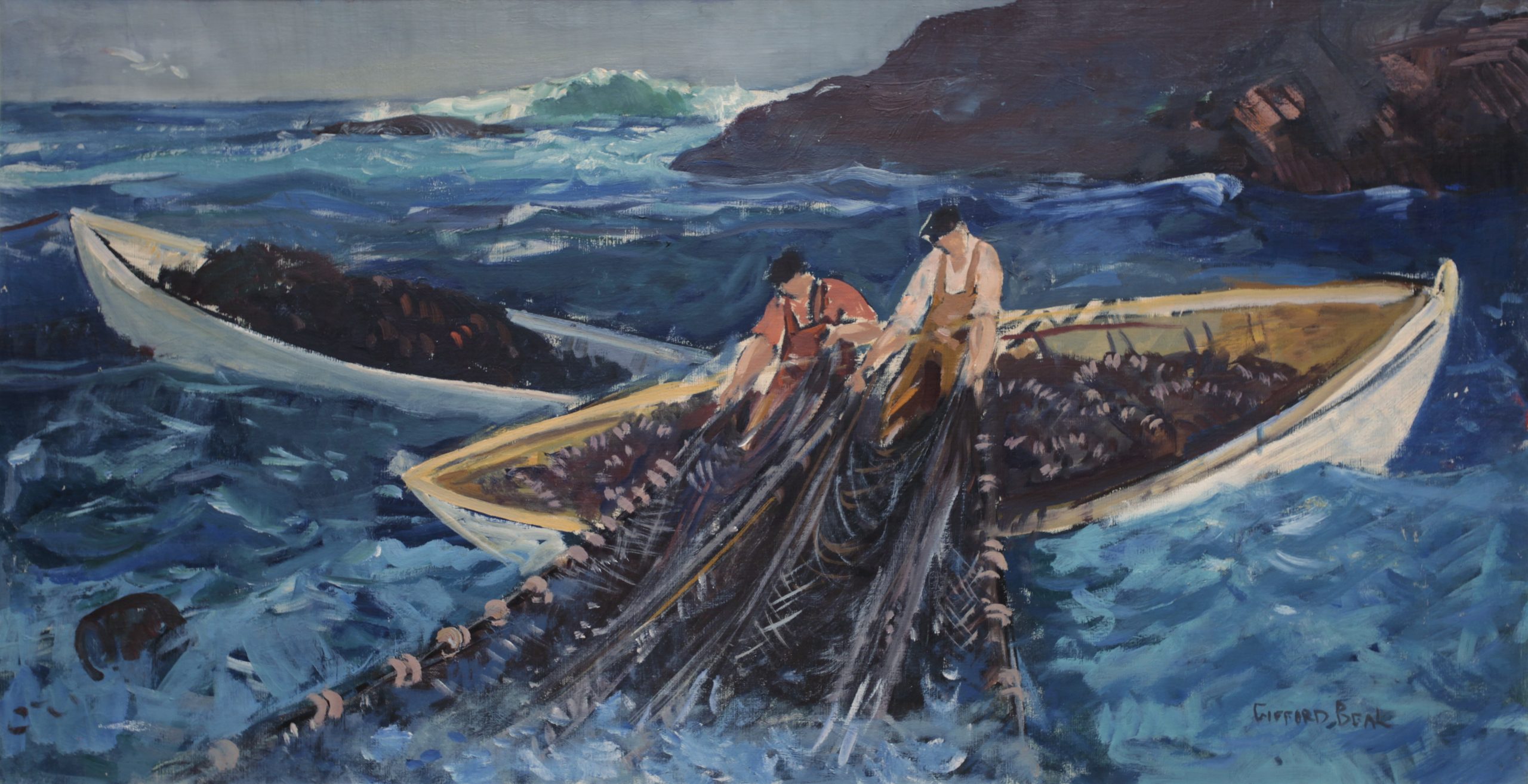
Painter and watercolorist Gifford Beal gained widespread recognition during the first half of the twentieth century for his gentle, warmly lit depictions of American landscapes and urban views. Born into a prominent New York family, Beal began his artistic training as a teenager with summer courses led by American impressionist William Merritt Chase. Under Chase’s tutelage, Beal mastered the impressionist technique of documenting the transient effects of light and atmosphere, an approach that continued to shape his work as style and subject matter evolved from austere seascapes featuring monumental figures to dynamic views of New York’s freight yards. Friend and fellow painter Barry Faulkner said Beal’s work showed “the eternal pleasures of work and leisure, the casual enjoyable incidents which add so much to life’s richness.”
His work attracted early attention, and by age twenty-two he was exhibiting nationally. Beal’s work can be found in some of the nation’s most esteemed collections, including the Metropolitan Museum of Art, New York; the Art Institute of Chicago; and the Nelson-Atkins Museum of Art, Kansas City, Missouri.
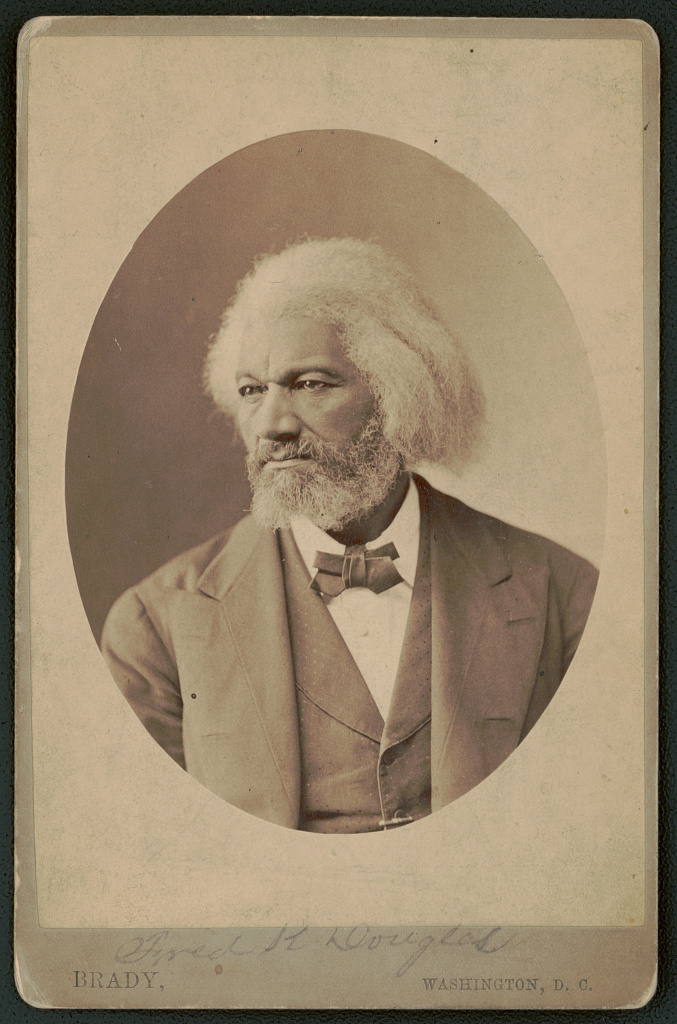
Mathew B. Brady studied photography under several practitioners, including Samuel F. B. Morse, who introduced the medium to the United States. By 1844, he had his own photography studio in New York and soon built a reputation for portraits of prominent figures, including Frederick Douglass. In 1856, he expanded his practice to Washington, D.C., where he photographed political leaders and other notable Americans. At the height of his success as a portrait photographer, Brady turned his attention to the Civil War. He organized a team of photographers to follow the troops in the field, recording the war as it unfolded. In 1862, he exhibited photographs of the loss of life on the battlefield at Antietam, posting a sign on the door of his New York gallery that read, “The Dead of Antietam.” For many viewers, the exhibition marked a first encounter with the experience of war. The New York Times noted that Brady had brought “home to us the terrible reality and earnestness of war.”
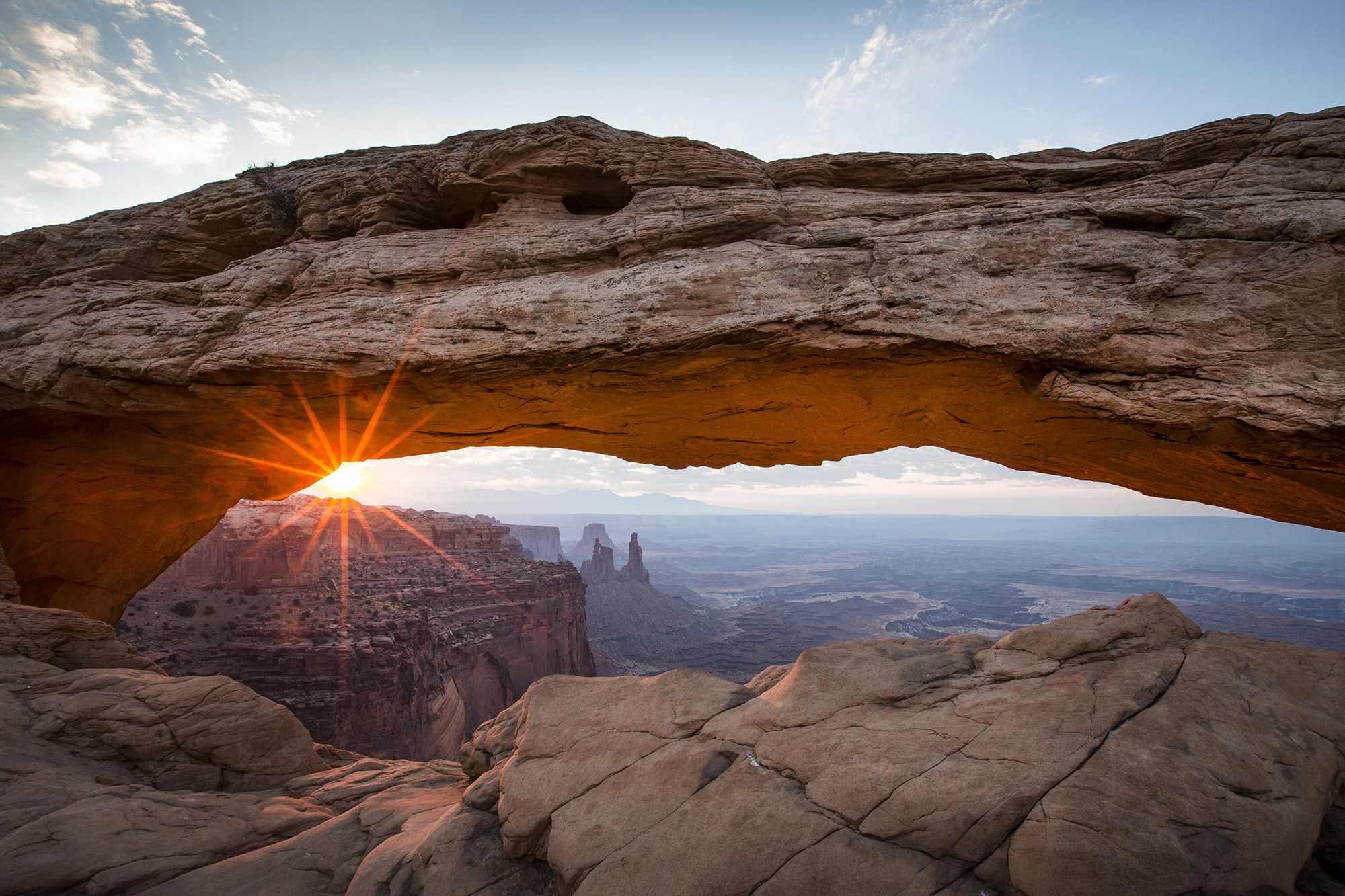
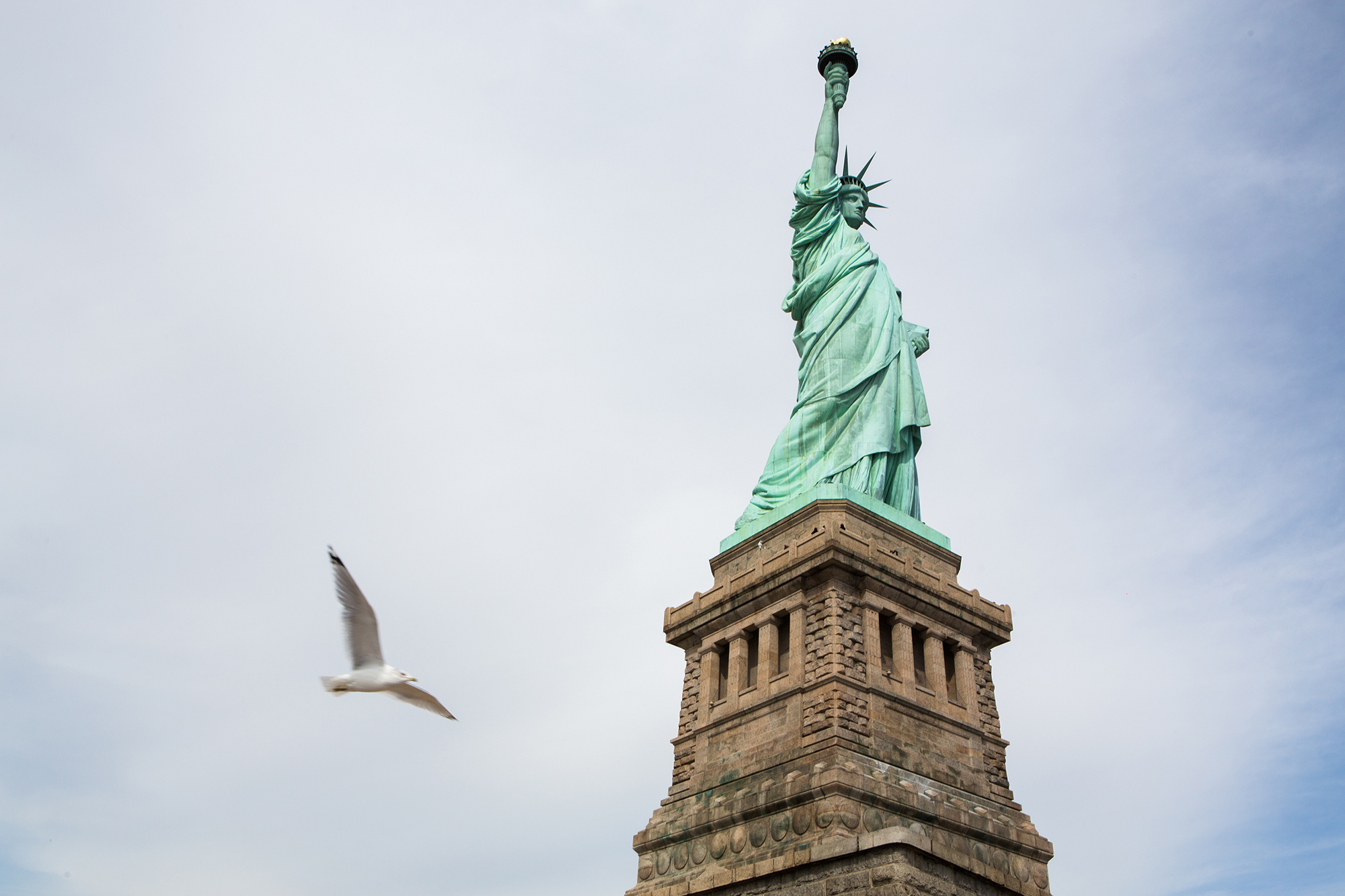
Steele Burrow specializes in landscape, editorial, and travel photography. Burrow developed his practice during travels with his archaeologist father, who photographed historic sites of the American Southwest. Lady Liberty (New York City, New York) and Mesa Sunrise (Canyonlands National Park, Utah) are among his photographs that convey a sense of place and a timeless quality, immersing the viewer in the scale and grandeur of iconic American landscapes.
Burrow received a bachelor’s degree from Washington and Lee University in Lexington, Virginia, and a master’s degree in foreign policy from Georgetown University’s School of Foreign Service in Washington, D.C. Burrow’s images have been featured in numerous media outlets, namely the Wall Street Journal, TIME, the Guardian, and Outside Magazine.
Joe Everson has gained national attention for his performances as a singing painter, creating large-scale works live while performing patriotic songs at public events. Growing up in Michigan, Everson was inspired by his parents, who performed live music, and his grandparents, who created visual art—an early foundation that led him to combine these two forms of artistic expression. His work often centers on American history and national identity, depicting figures and symbols drawn from the nation’s founding narratives. Working primarily in acrylic, Everson’s compositions reflect the influence of pop art and comics, with an emphasis on bold outlines and graphic clarity.
Mark Maritato is a historical painter whose work focuses on American military history. His oil paintings, which include large-scale military battle scenes and detailed studies of soldier uniforms, are held in numerous private and institutional collections around the world. His lifelong interest in art and history drove Maritato to pursue a career as a professional artist. During his formal training in painting and illustration at the Pratt Institute in Brooklyn, New York, Maritato began to paint Civil War subjects in oil. Each painting starts with months, or sometimes years, of research on the subject before his brush is loaded with paint, ensuring the highest degree of accuracy possible, in keeping with the tradition of old master military painters.
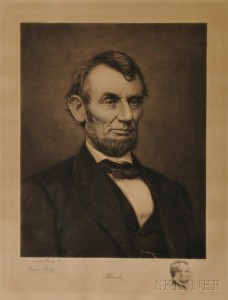
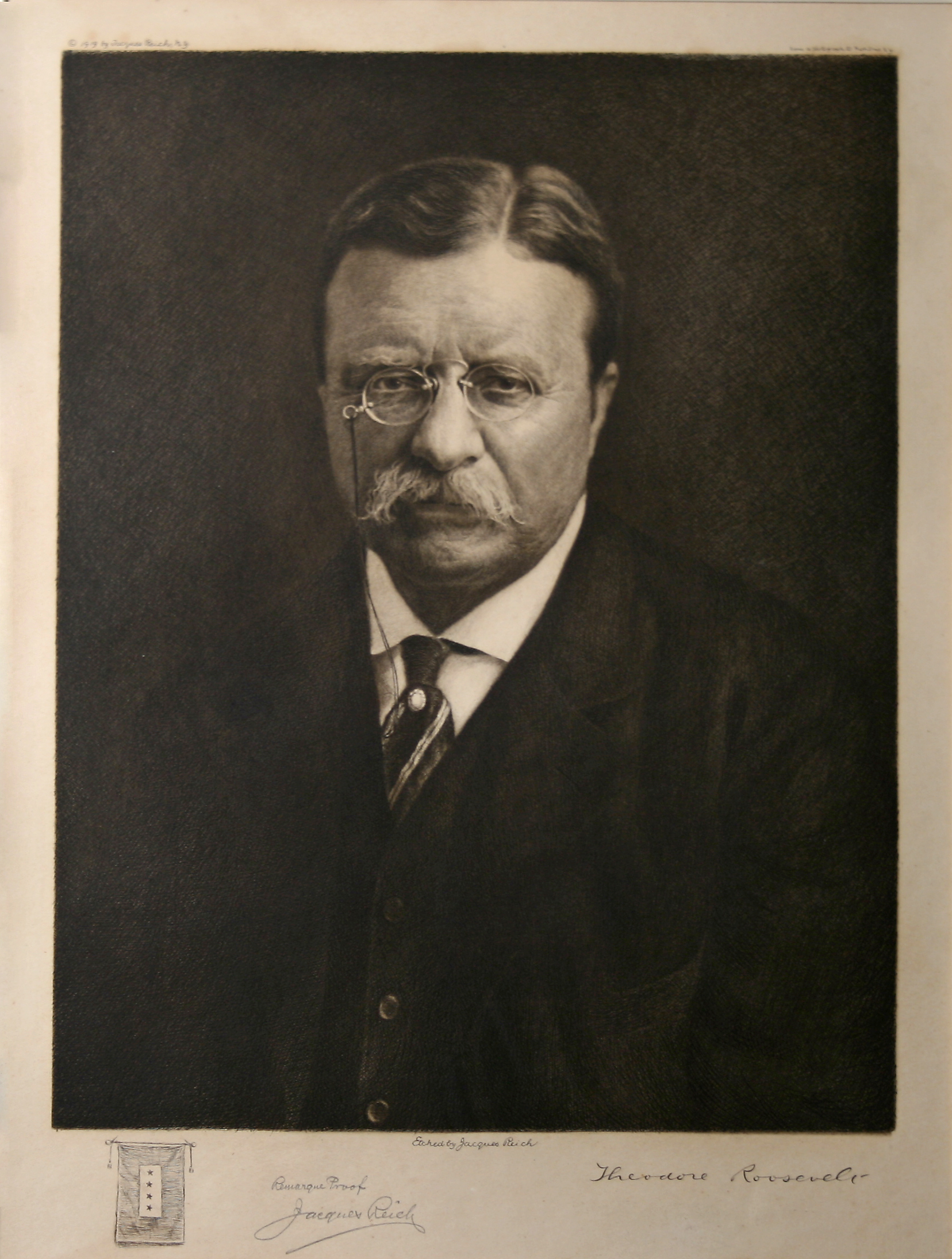
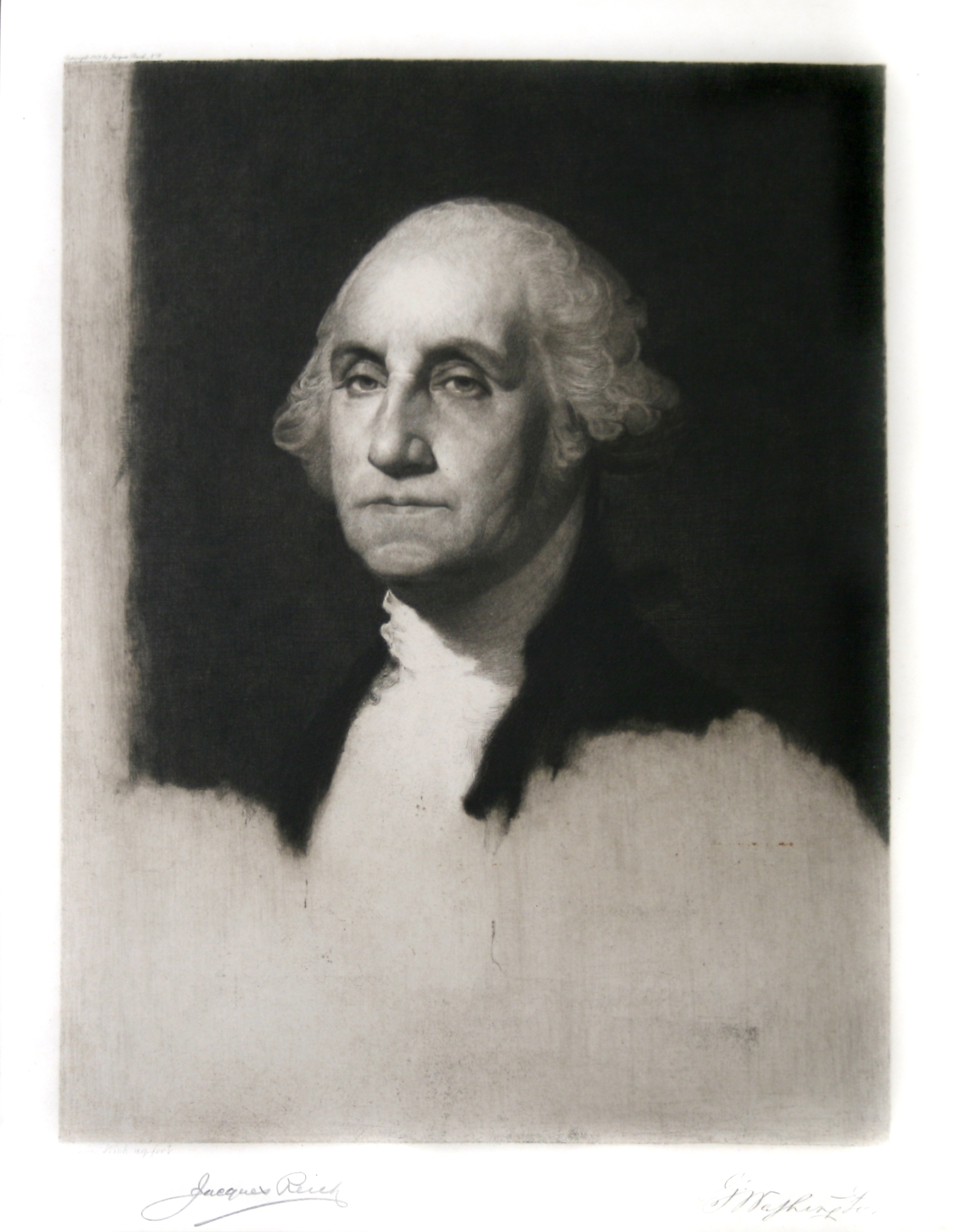
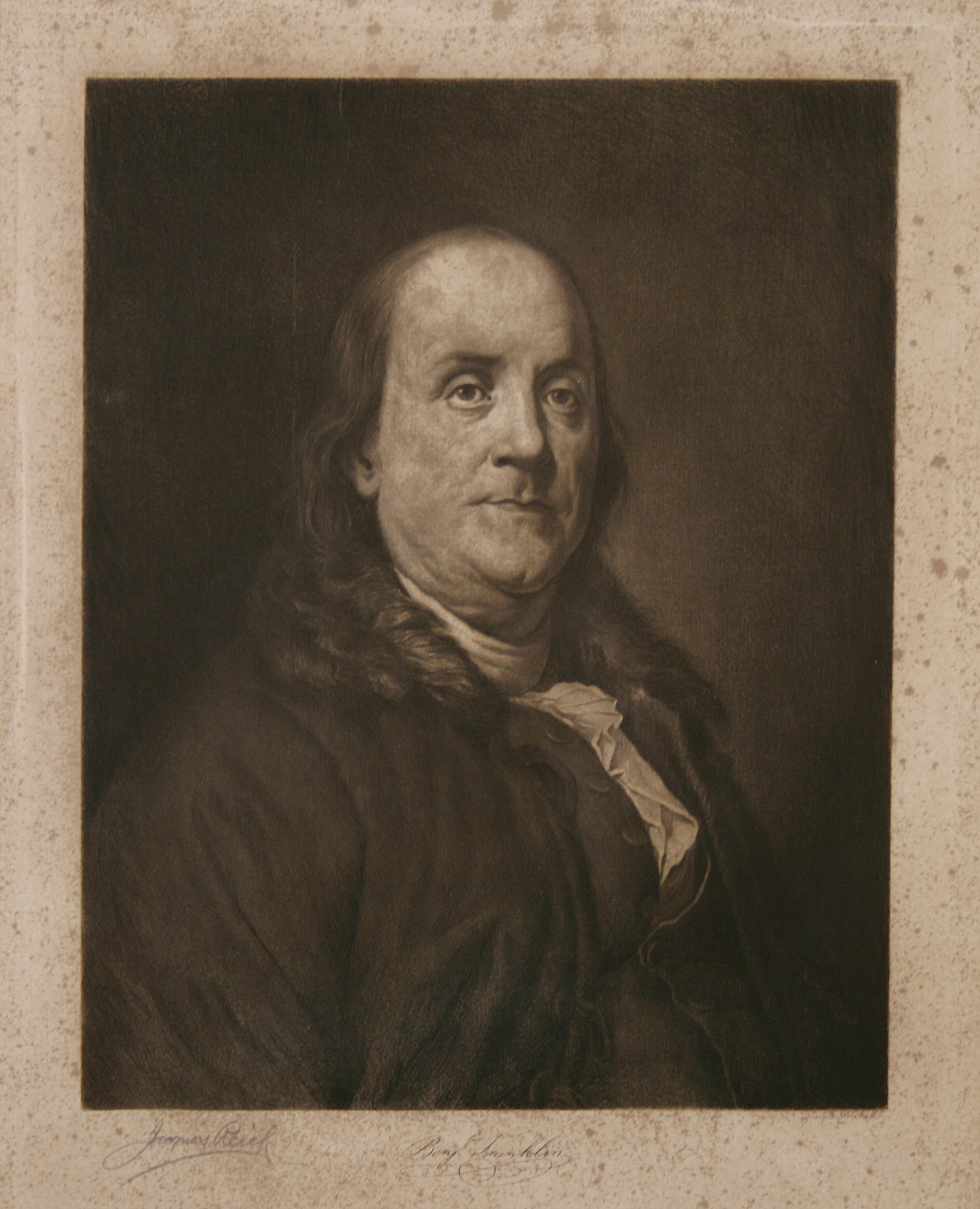
Etcher and illustrator Jacques Reich was known for his realistic portraits of America’s founding fathers and presidents, notably George Washington, Benjamin Franklin, Abraham Lincoln, and Theodore Roosevelt. He was a contributing artist for Scribner’s Cyclopedia of Painters and Paintings and produced more than 2,000 portraits for Appleton’s Cyclopedia of American Biography. Later, he specialized in copperplate engraving and published approximately fourteen portraits of English authors and artists, alongside a series of twenty-five famous Americans.
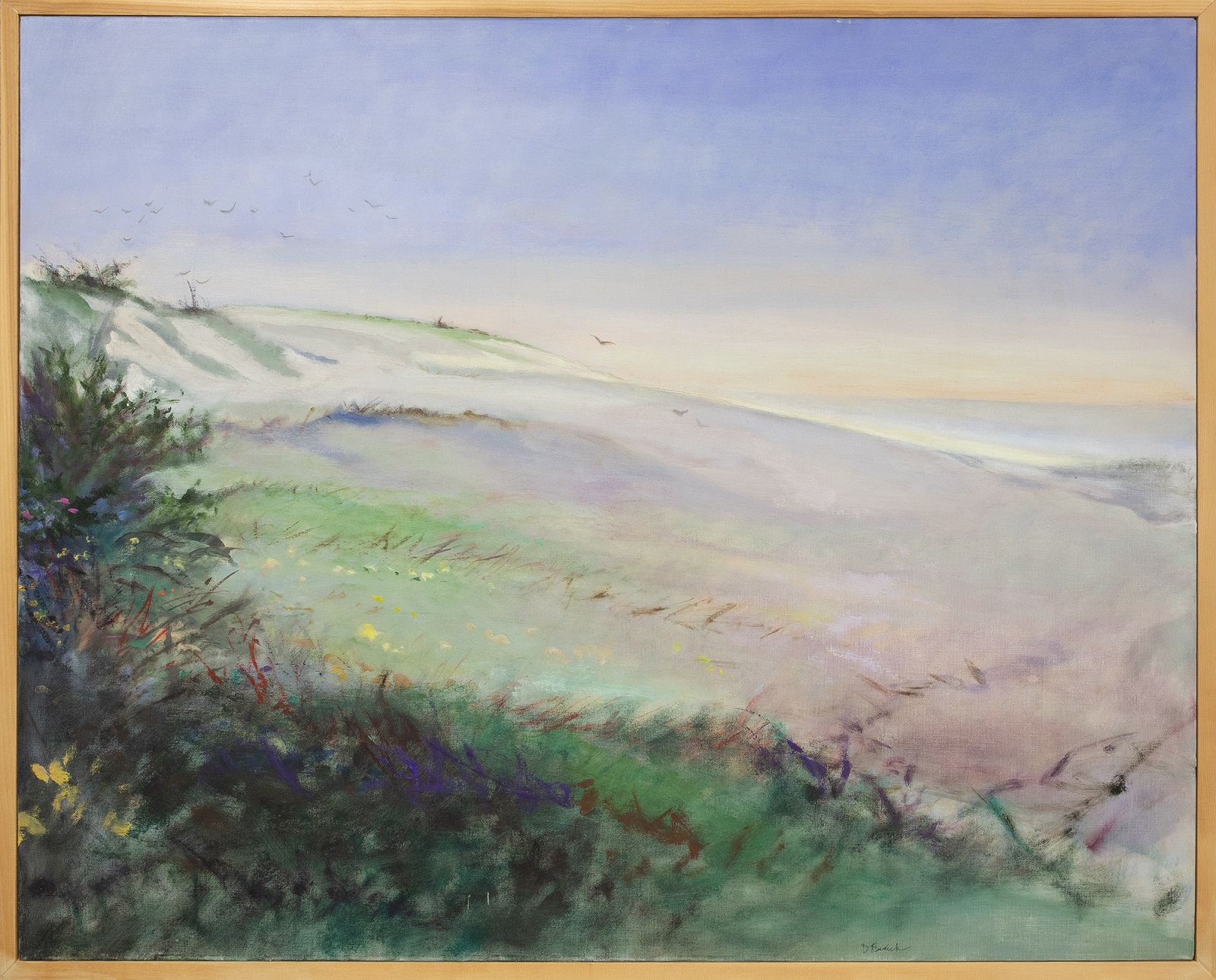
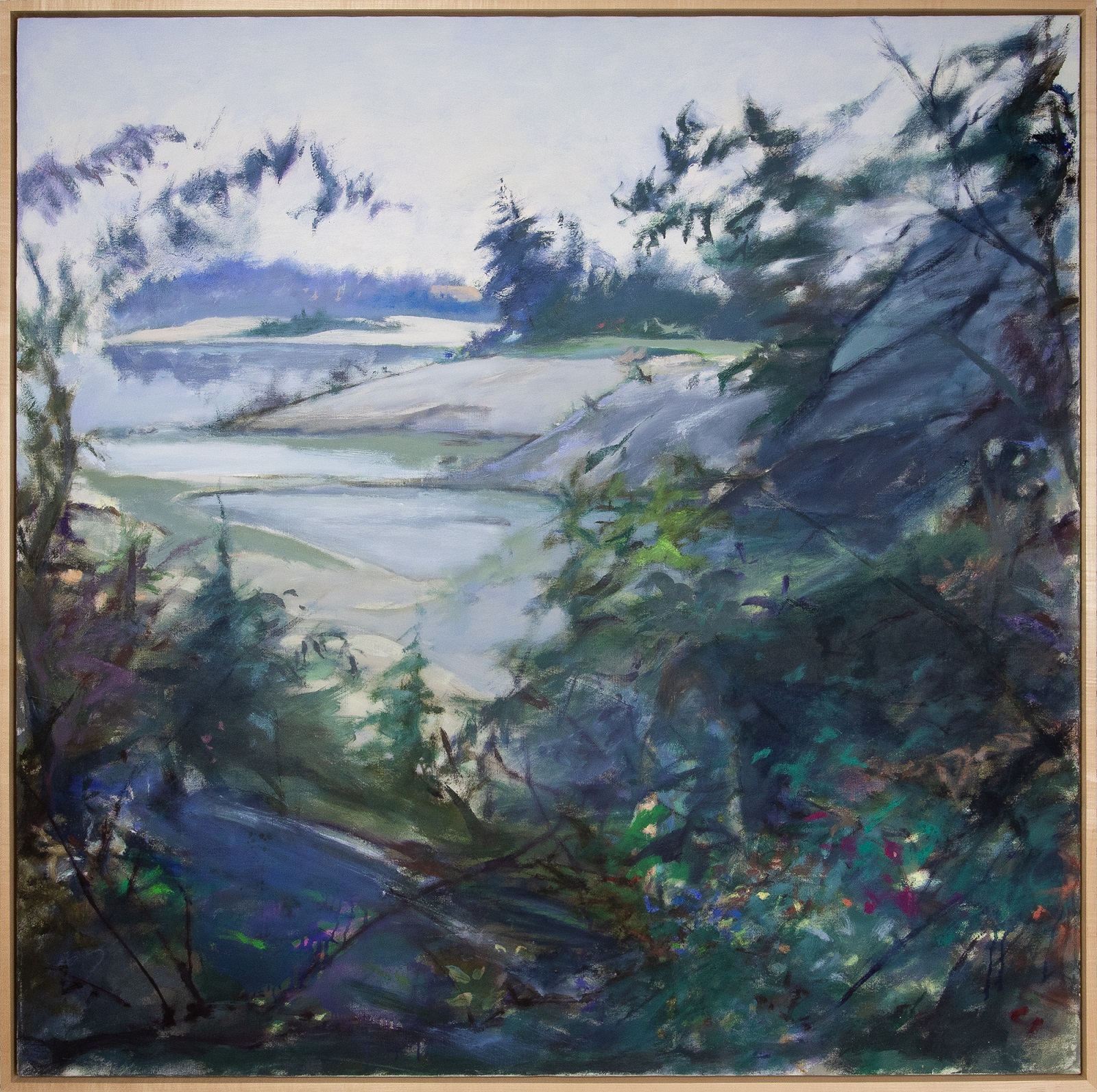
Don Resnick was a landscape painter drawn to the beauty and magnificence of Long Island, New York’s terrain, sea, and sky. Resnick would sketch and draw from nature, but he never painted outdoors. Depicted with loose brushwork and “watercolor-like lucidity,” his luminous paintings sought to communicate his vision of the environment. “The inspiration for my paintings is the intense experience of a place—its particular light, its particular space—at a unique moment in time,” he said.
Resnick lived and worked in Rockville Centre, Long Island, New York, until his death. He attended Hobart College, Geneva, New York; the New School for Social Research, New York; and the Internationale Sommerakademie für Bildende Kunst, Salzburg, Austria. His work is held in several prominent collections, namely the New York Public Library; the Hood Museum of Art, Hanover, New Hampshire; and the Sheldon Museum of Art, Lincoln, Nebraska.
William J. Stone was a Washington, D.C.-based engraver commissioned in 1820 by Secretary of State John Quincy Adams to produce an exact copy of the Declaration of Independence on a copper plate. As the original document was deteriorating and had become increasingly illegible by 1820, concerns grew about preserving the words of the nation’s founders. The resulting 1823 Stone Declaration of Independence is a significant document in American history.
On June 5, 1823, forty-seven years after Thomas Jefferson drafted the Declaration, it was announced that “Mr. William J. Stone, a respectable and enterprising Engraver of this City, has, after a labor of three years, completed a facsimile of the original of the Declaration of Independence, now in the archives of the government,” and that, “it is executed with the greatest exactness and fidelity.” This replica was produced from an original version of the 1823 document acquired by David Rubenstein and now on loan to the State Department.
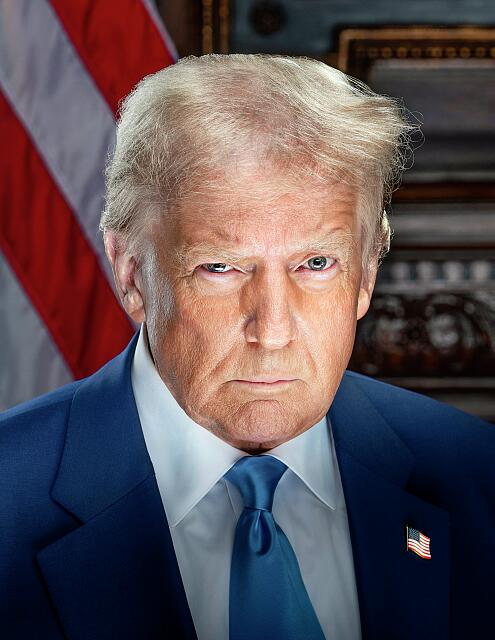
Daniel Torok, a U.S. Army veteran, was appointed Chief Official White House Photographer in 2025, documenting the President and White House activities as part of the official record.