


When we selected works for the Ambassador’s Residence at Casa Carlucci, we did so not as collectors, but as hosts. This home welcomes diplomats, academics, legislators, students, and friends and we wanted the art to reflect a spirit of welcome, curiosity, and optimism that defines both the United States and our relationship with Portugal. As we mark the 250th anniversary of American independence through Freedom 250, it feels especially meaningful to showcase works that celebrate creativity, diversity of expression, and the freedom to imagine boldly.
Many pieces are deeply personal. We have spent significant time in Montana, and works by Bojana Ilic, Kenneth Peloke, and David Yarrow—discovered through a favorite gallery there—bring the landscapes and wildlife of the American West to Lisbon, sharing that sense of openness and adventure with our guests.
We were drawn to art that feels joyful and approachable, from Trudy Benson’s vibrant abstractions, which inspired our daughter to pursue abstract art, to Gene Davis’s rhythmic color bands, Helen Grigware Lambert’s Anemones, and Don Resnick’s luminous landscape. Works by Suyao Tian, Anke Schofield, and David Yarrow add playfulness and storytelling.
We hope this exhibition offers moments of delight, connection, and shared humanity. We are deeply grateful to the artists and to the State Department’s Office of Art in Embassies for making this exhibition possible.
Ambassador John J. Arrigo and Megan Arrigo
Lisbon, Portugal
Trudy Benson’s practice is rooted in painting and the physical experience of seeing. Drawing on early computer graphics and image-manipulation software, her abstractions evoke what she describes as “the optimism and awkward poetry of 1980s digital aesthetics,” recalling the flattened planes, warped perspectives, and bright color of early screen-based imagery. Working with a palette that ranges from monochrome to clashing hues, Benson’s compositions create a sense of constant movement “as geometric shapes and layered forms emerge and dissolve across planar, recessive spaces.” By translating the logic of digital image-making into paint, Benson explores how images are constructed, perceived, and remembered.
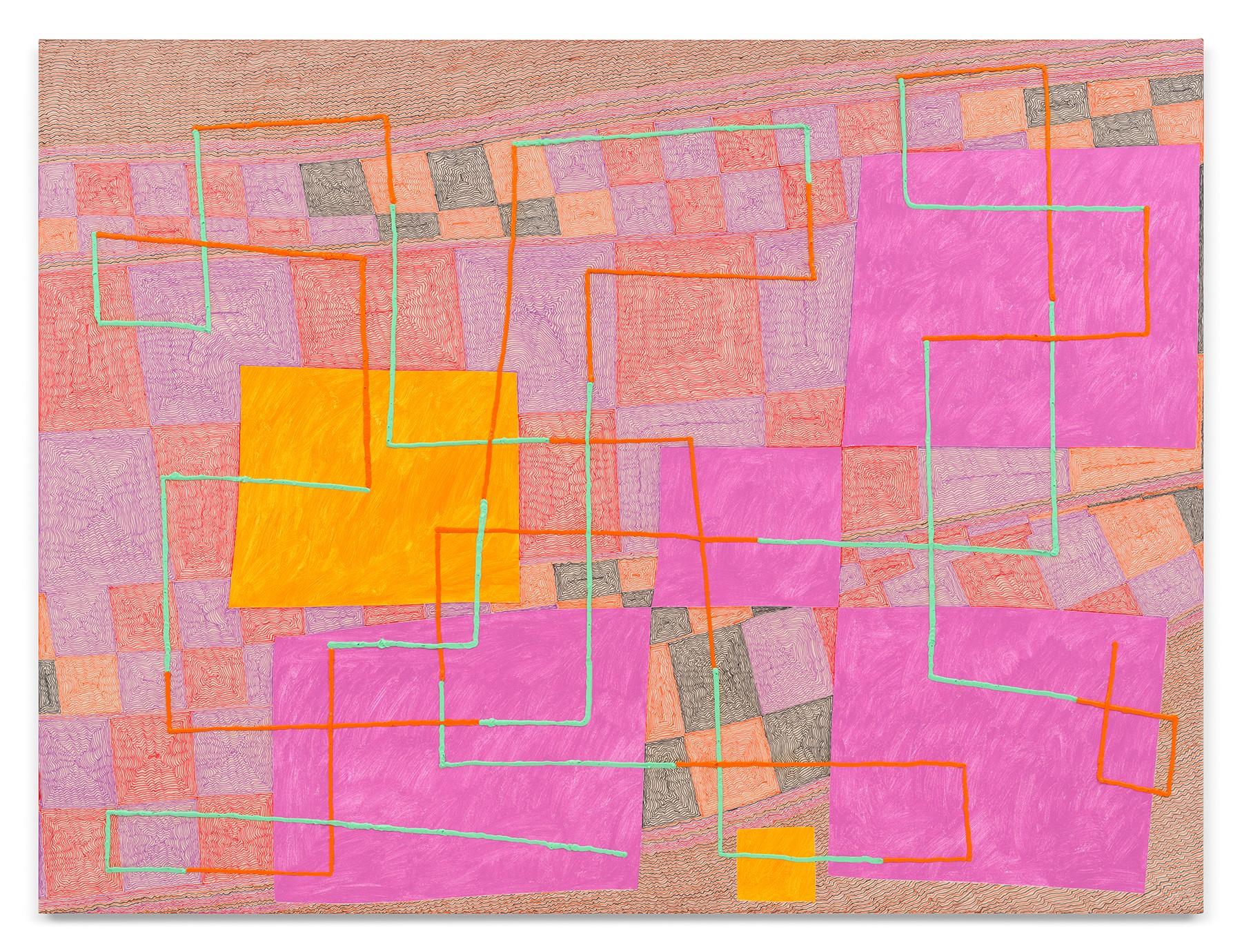
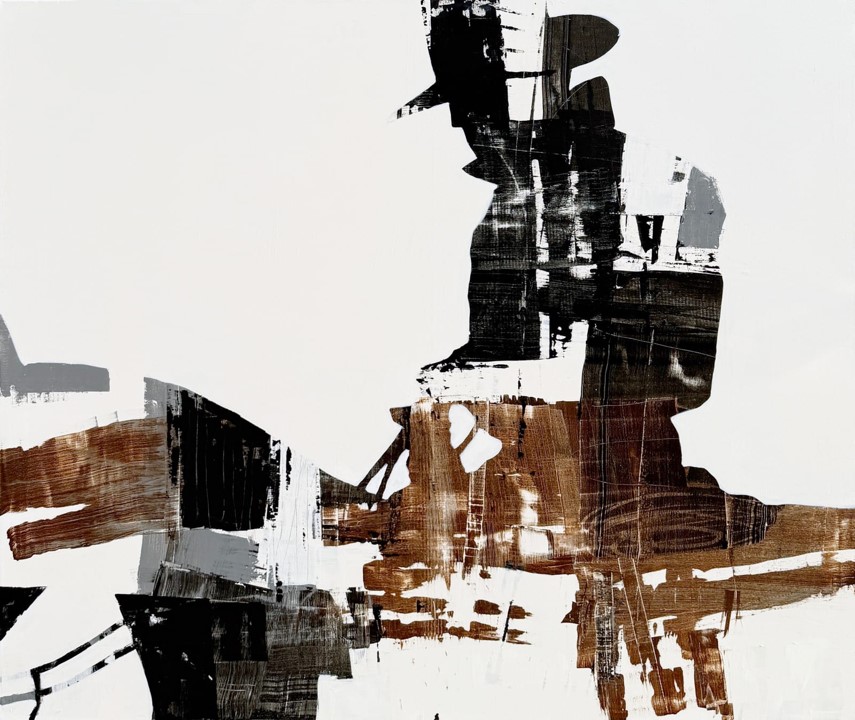
Bojana Ilic, who works under the moniker BOJITT, is a multidisciplinary artist whose abstract compositions incorporate a variety of media, including acrylic and spray paint. “Each artwork holds its own bespoke symbolic language suited to its story. Shapes become characters, drops and splashes direct the flow of energy and action. My own handwriting punctuates every tale with an exclamation point… My abstractions dance towards the liminal space where passion, moments, and music meet the concrete: color, texture, and details.”
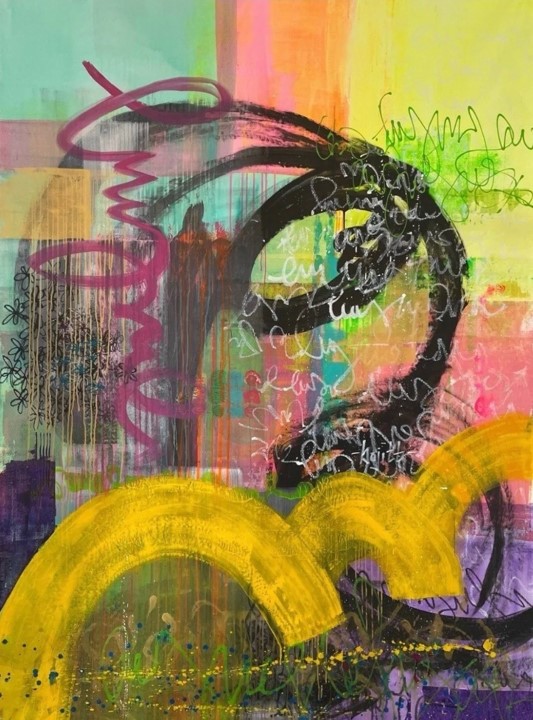
Self-taught artist Gene Davis was a twentieth-century American painter who played a significant role in the color abstraction movement. Celebrated for his lively compositions of thin, multicolored, and hard-edged vertical stripes, Davis also specialized in collage, silhouette self-portraits, and other conceptual pieces. He utilized an observational, musical approach when painting, comparing his “playing by eye” to a jazz musician who plays by ear. In the 1960s, he experimented with complex schemes that lend themselves to sustained periods of viewing. “Instead of simply glancing at the work, I select a specific color—and take the time to see how it operates across the painting. Enter the painting through the door of a single color, and then you can understand what my painting is all about,” Davis said.

(detail of image, click to see the full size)
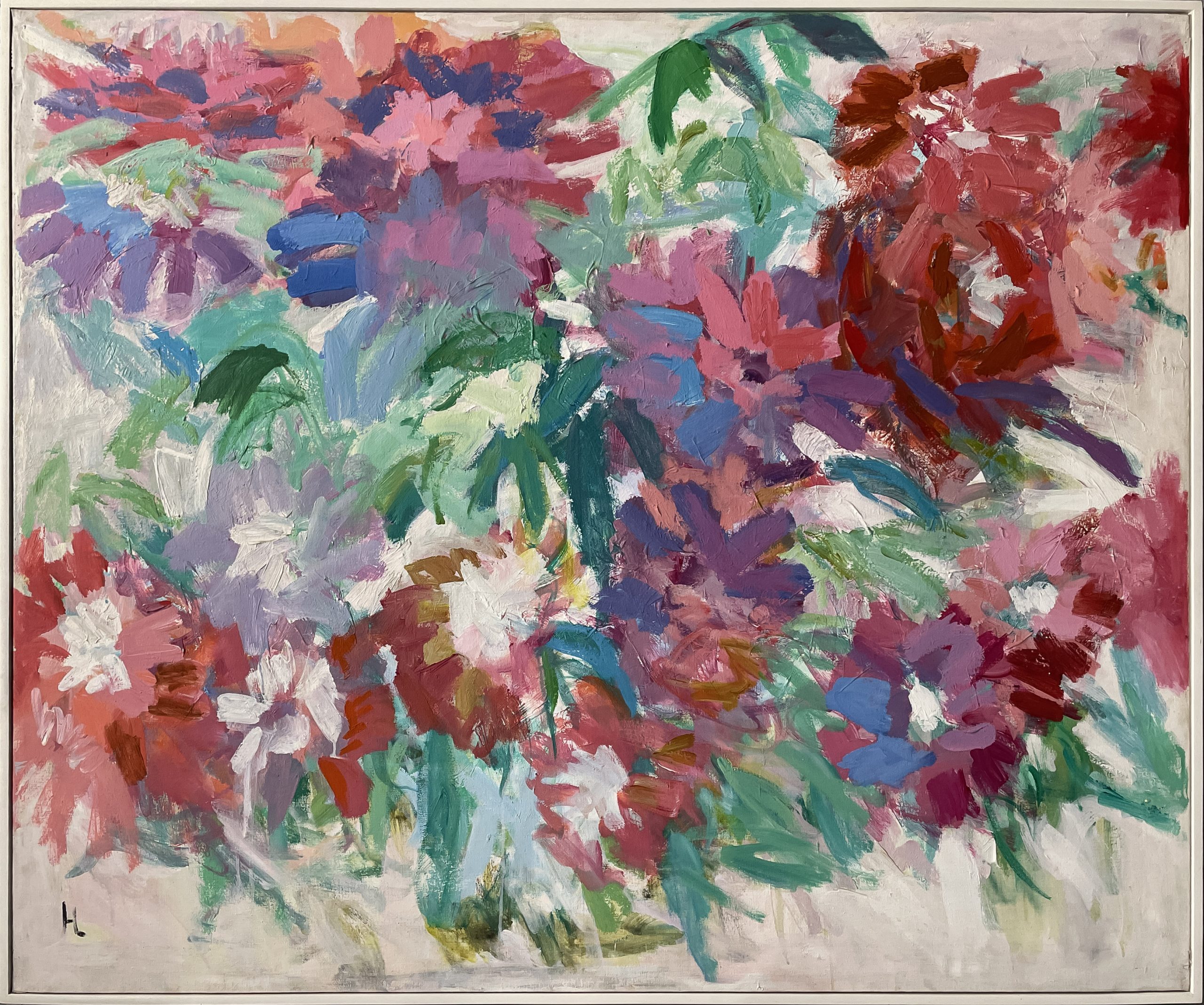
Helen Grigware Lambert’s early paintings were figurative and rendered in a dark palette, but by 1970, her style had become increasingly abstract, with lively colors and passages of white. Thin, delicate lines of dripped paint spread and interlace across the canvas, defining the flowers that had become her preferred subject and to which her titles refer. In addition to being an artist, Lambert was also a lawyer and the first woman to graduate from the Gonzaga University School of Law in Spokane, Washington. Lambert traveled around the world extensively during her law career, including to Japan, the former Soviet Union, and Israel; those countries left an indelible impression on her artistic vision.
Self-taught artist Kenneth Peloke paints landscapes, people, and animals, combining abstract and subjective elements in his work. His multimedia approach produces depth and realism “that give [his work] a one-of-a-kind appeal.” Peloke, who is colorblind, carefully controls his color palette to navigate the challenges of color perception. Cowboy Up is one of his pieces inspired by time spent with his wife’s horses. Bold and large-scale, this work captures the pure essence of the horse while pushing the boundaries of his artistic talents.
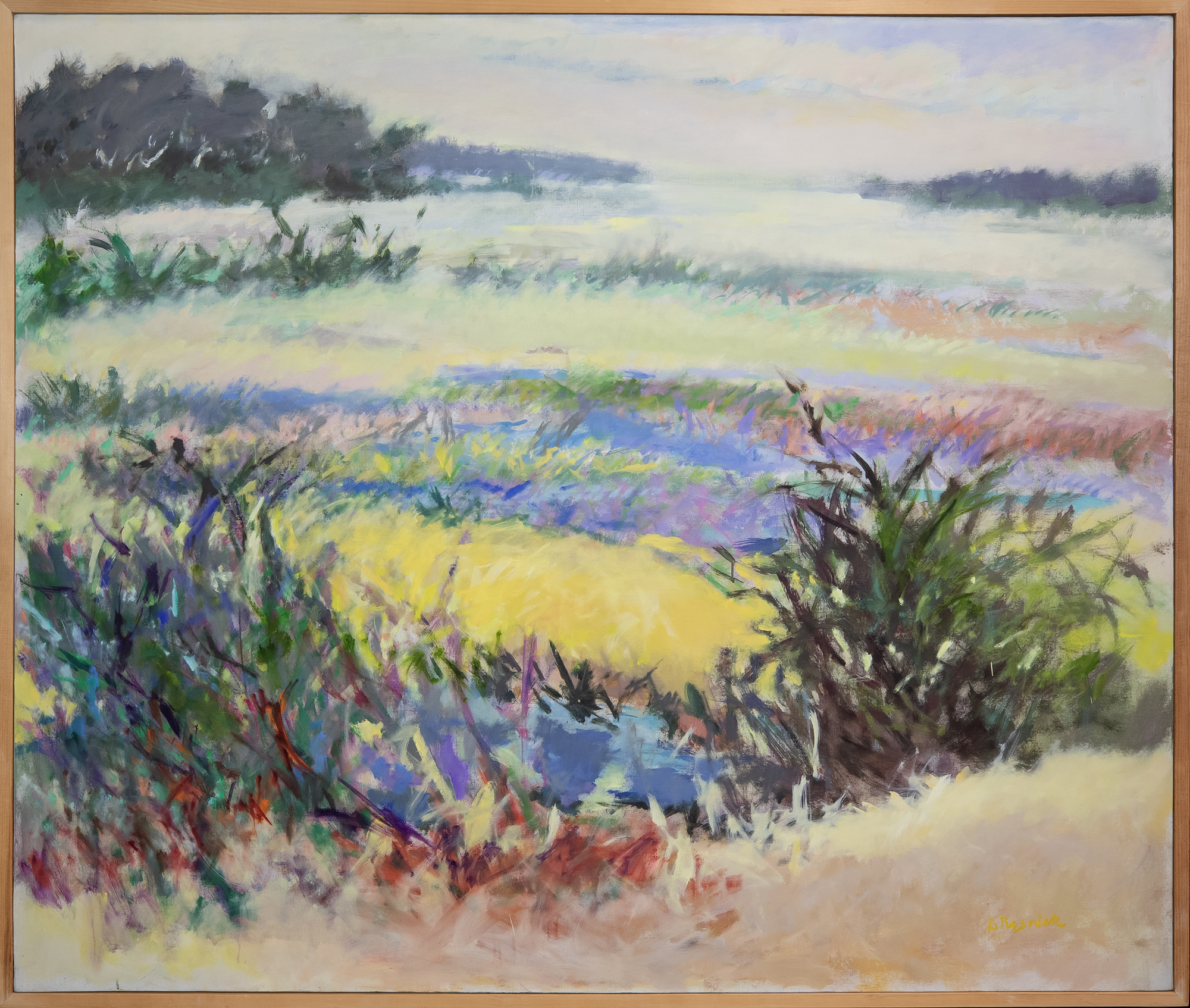
Don Resnick was a landscape painter inspired by the beauty and magnificence of Long Island’s terrain, sea, and sky. Although he sketched and drew from nature, Resnick did not paint outdoors. His paintings rendered with loose brushwork and “watercolor-like lucidity” sought to communicate his vision of the environment. “The inspiration for my paintings is the intense experience of a place—its particular light, its particular space—at a unique moment in time,” Resnick said.
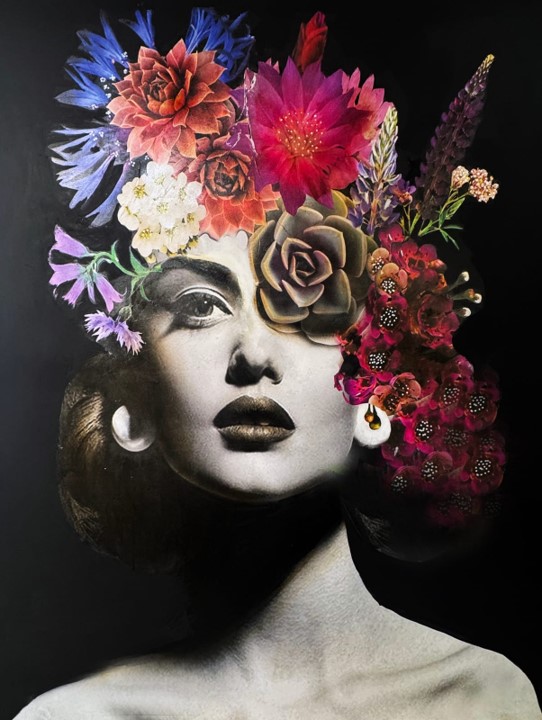
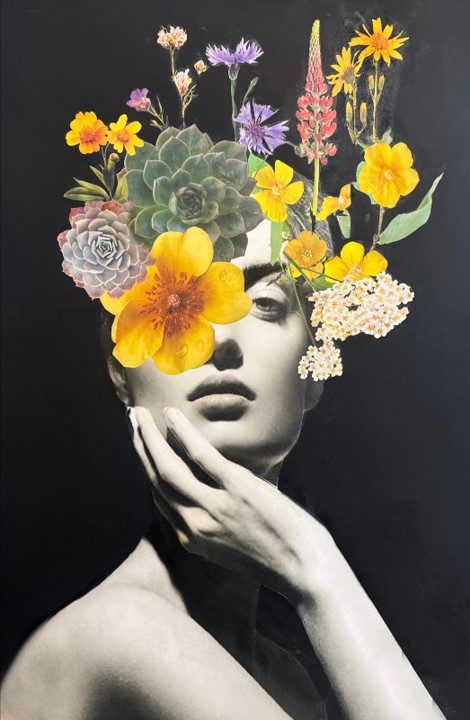
Anke Schofield creates layered mixed-media works that combine photographic imagery with collage, oil and acrylic paint, wax and sometimes tar. These materials are built up into textured surfaces that blend animate and inanimate forms in unexpected ways. Schofield finishes the works with a coating of epoxy resin, that creates a smooth surface and dreamlike “trance,” by “separating the image from reality and distancing the viewer from the textural physicality of the imagery.”
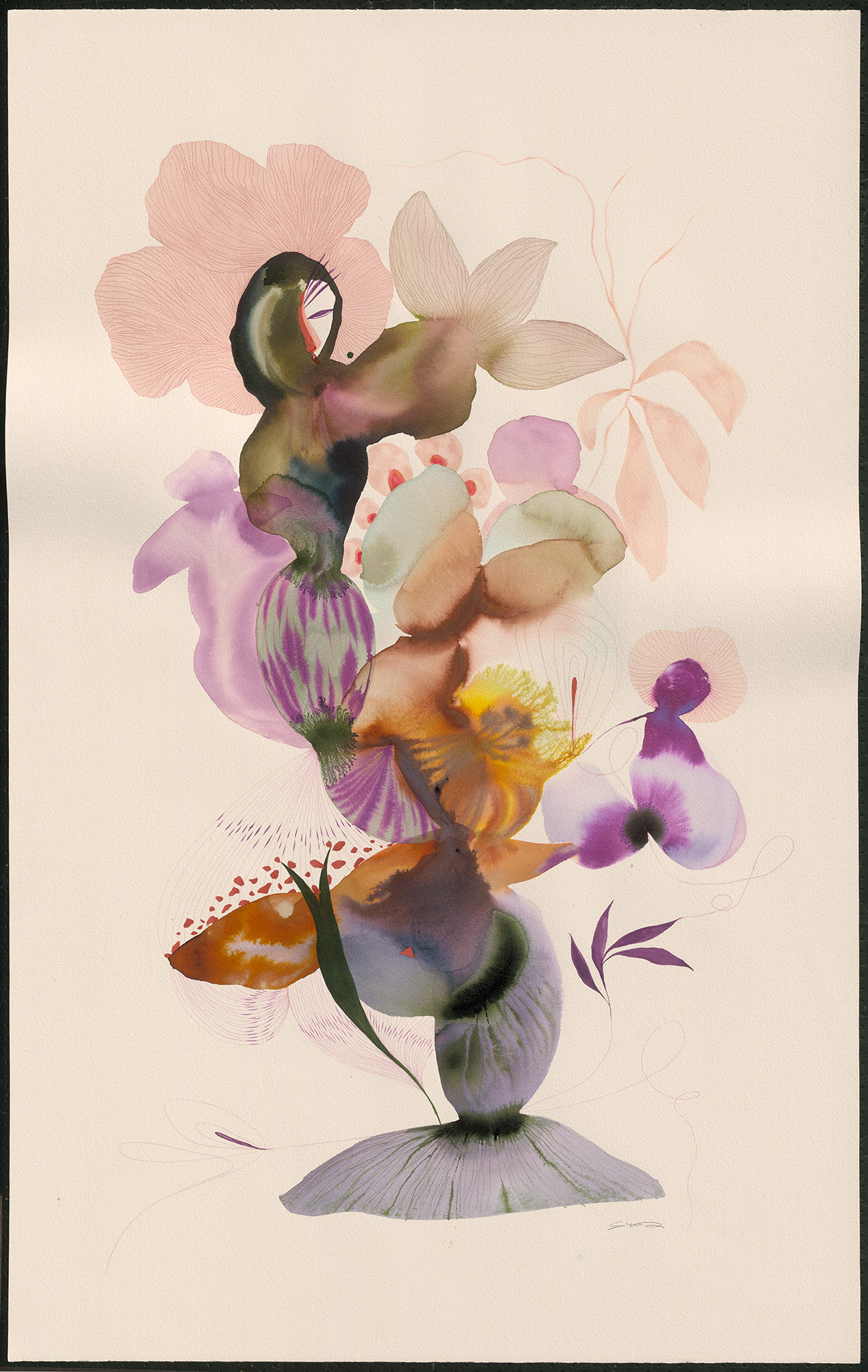
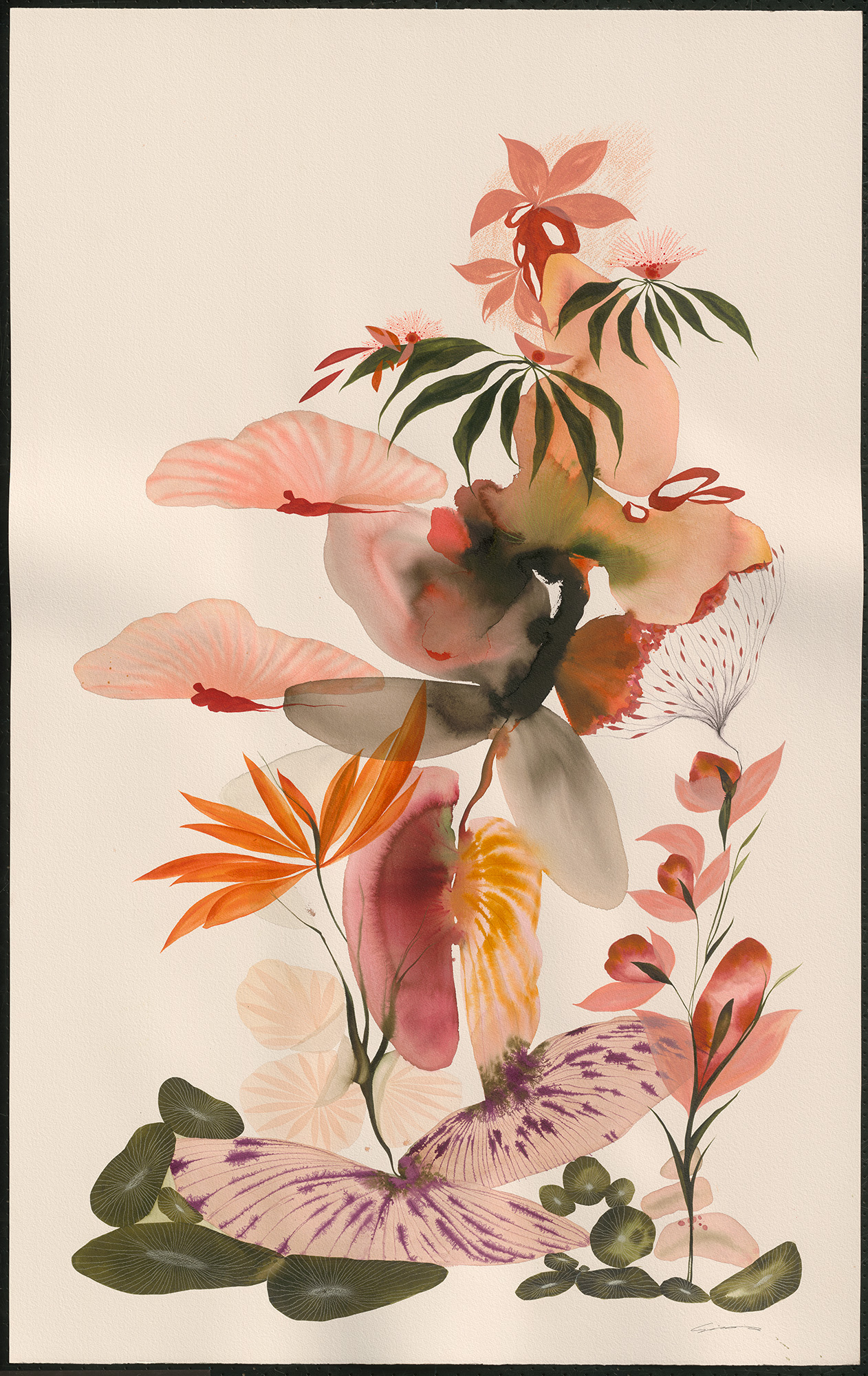
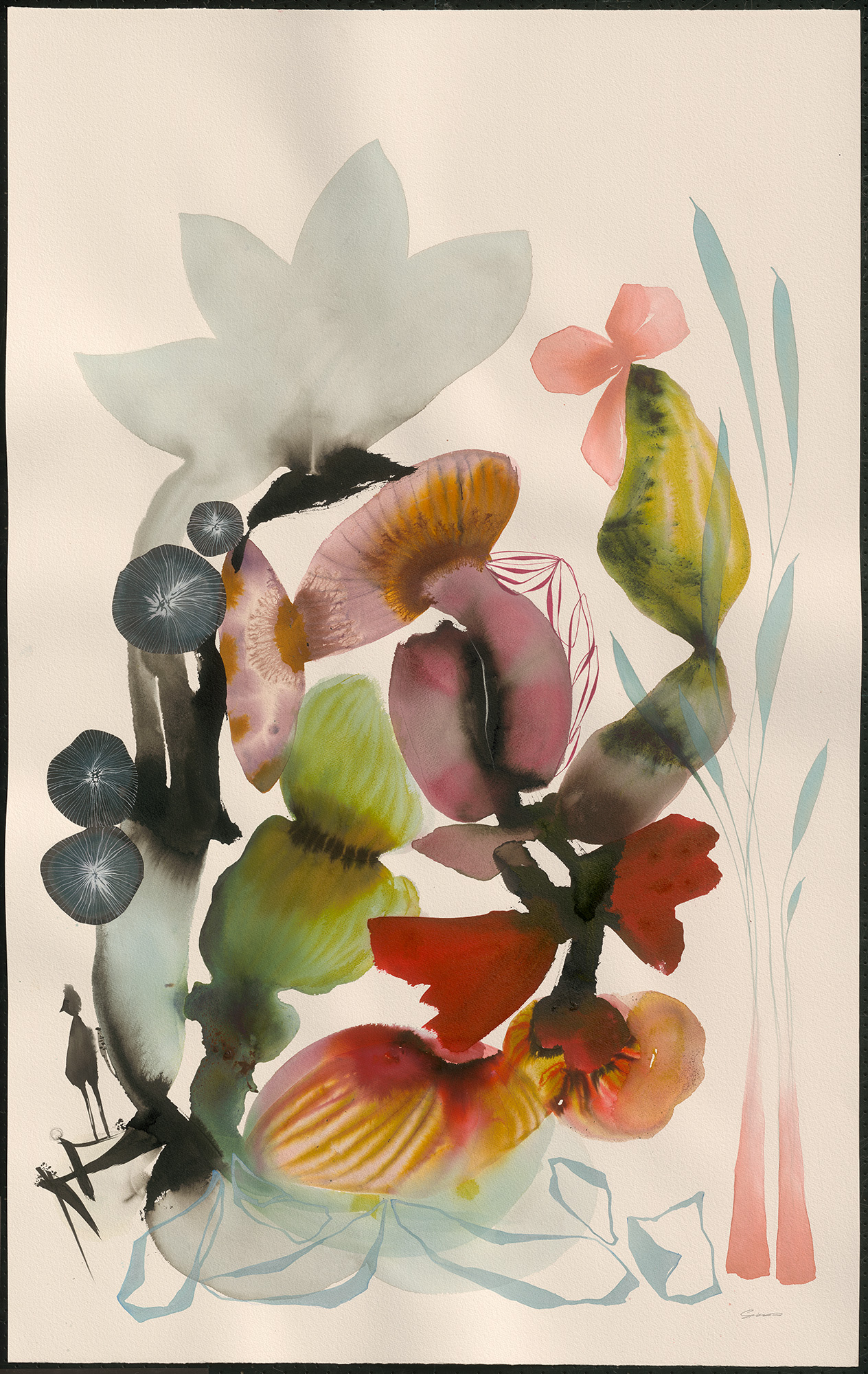
Suyao Tian works primarily with water-based media in her abstract paintings. She enlarges and alters biomorphic forms to create surreal landscapes inhabited by unfamiliar beings from an imagined world. Drawing on nature, memory, and subconscious thought, Tian transforms these experiences into visual symbols. In her paintings, she explores relationships among living forms and humanity’s place among animals, plants, and organisms yet to be discovered through new technologies and space exploration. Tian states, “I value the absence of a single, specific meaning, offering instead a quiet, open, and visually poetic space where imagination can exist freely.”
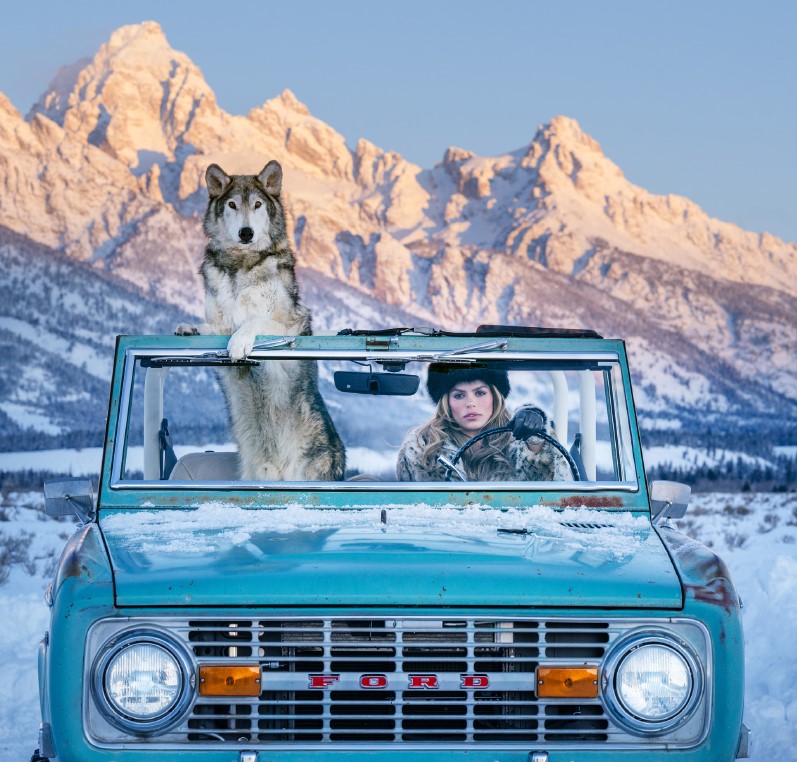
David Yarrow photographs wildlife, athletes, supermodels, and frontier towns. At age twenty, he worked as a press photographer for the London Times before transitioning to a career in fine art photography. Working across multiple genres, Yarrow describes himself as a storyteller rather than a photographer. The Tetons series was shot on location in the early morning in the Teton Mountains in Jackson Hole, Wyoming. He captured the Ford Bronco, wolf, and model Brooks Nader within a brief window of time before the rising sun changed the light. He states, “If the town of Zermatt in Switzerland has the Matterhorn, then Jackson Hole has the Tetons. Both communities stand guarded by mountains so dramatically grand that there is an extra sense of excitement on arrival…When I think about the town of Jackson, I find it impossible not to think about the Tetons. To me they are coupled at the hip.”